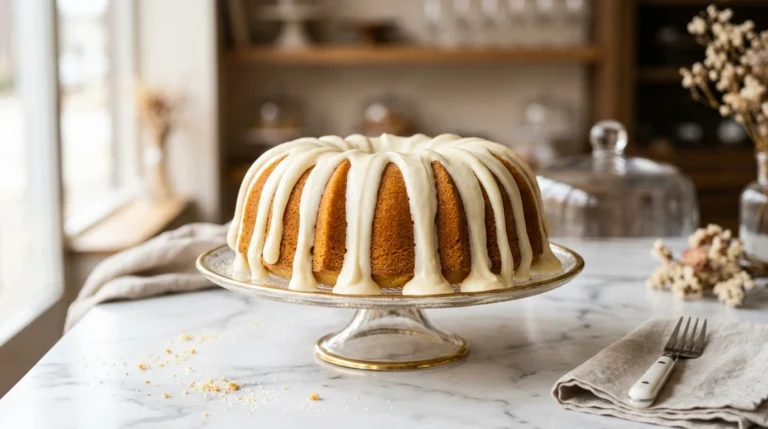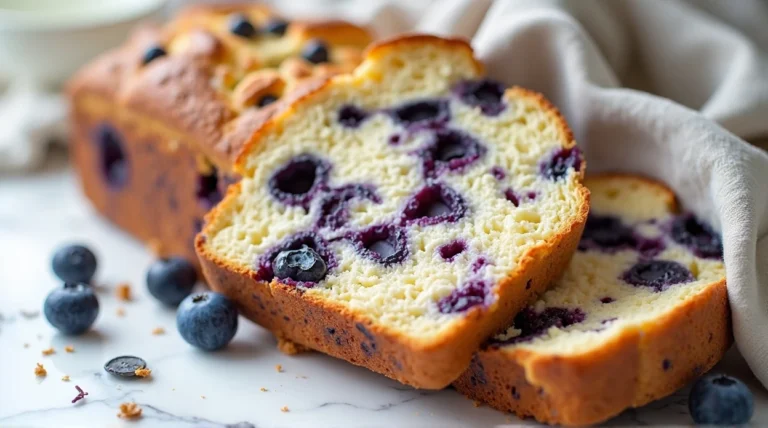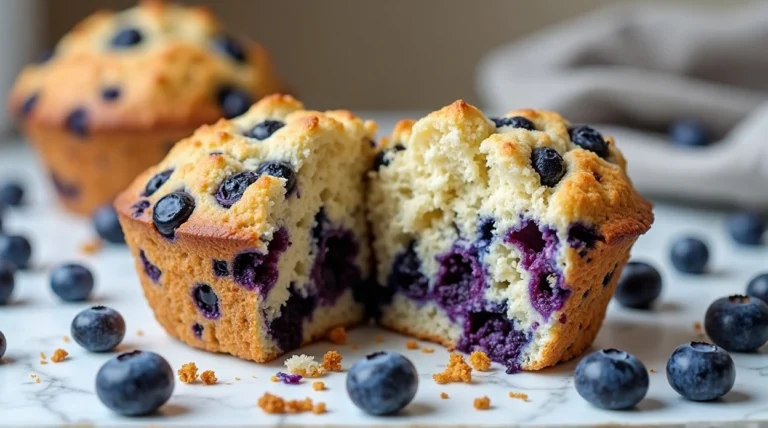
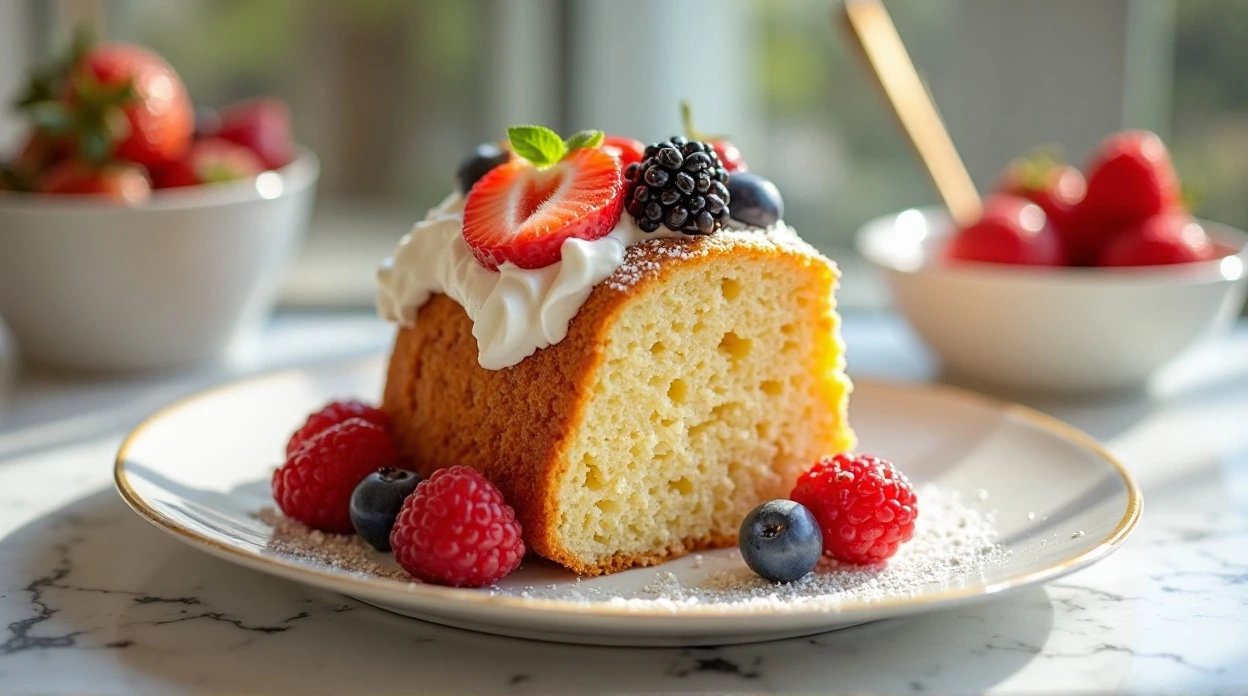
A classic pound cake recipe is one of the most beloved and timeless desserts in home baking. Known for its rich buttery flavor, dense yet tender crumb, and simple ingredients, pound cake has earned its place as a staple in kitchens around the world. Whether served plain, lightly dusted with powdered sugar, or paired with fruit and whipped cream, this cake delivers comfort and elegance in every bite.
If you are looking for a reliable, easy homemade pound cake recipe that produces consistent results, this guide will walk you through everything you need to know from ingredient selection and baking technique to storage tips and popular variations.
Table of Contents
What Is Pound Cake?
Pound cake originated in Europe in the 18th century and was traditionally made using a pound each of butter, sugar, eggs, and flour. This straightforward formula made the cake easy to remember and reproduce. Over time, modern baking techniques slightly adjusted the ratios to improve moisture and texture, but the heart of the recipe remains unchanged.
Today, a classic pound cake is known for its:
- Rich butter flavor
- Dense yet moist texture
- Golden crust
- Simple, versatile profile
Because of its structure, pound cake holds up beautifully to slicing, glazing, and topping, making it ideal for everyday desserts or special occasions.
Why This Pound Cake Recipe Works
This pound cake recipe is designed to strike the perfect balance between richness and tenderness. Every step plays an important role in achieving a soft crumb without losing the signature density that defines pound cake.
Key reasons this recipe is successful include:
- Proper creaming of butter and sugar to incorporate air
- Room-temperature eggs for a smooth batter
- Gentle mixing to avoid overdeveloping gluten
- A lower baking temperature for even baking
The result is a moist pound cake with a tender interior and classic buttery flavor.
Ingredients You’ll Need
One of the greatest strengths of pound cake is its simplicity. You only need a handful of pantry staples to achieve bakery-quality results.
- Unsalted butter, softened
- Granulated sugar
- Large eggs, room temperature
- All-purpose flour
- Vanilla extract
- Salt
Using high-quality butter and fresh eggs will noticeably improve both flavor and texture.
| Ingredient | Quantity | Notes |
|---|---|---|
| Unsalted butter | 1 cup (226 g) | Softened, room temperature |
| Granulated sugar | 1 cup | White sugar works best |
| Large eggs | 4 | Room temperature |
| All-purpose flour | 1½ cups | Spoon and level for accuracy |
| Vanilla extract | 2 teaspoons | Pure vanilla recommended |
| Salt | ½ teaspoon | Enhances flavor |
Step-by-Step Instructions for Making Pound Cake
Prepare Your Oven and Pan
Begin by preheating your oven to 325°F (165°C). Grease a loaf pan or bundt pan thoroughly and lightly dust it with flour. Proper pan preparation ensures your pound cake releases cleanly after baking.
Cream the Butter and Sugar
In a large mixing bowl, beat the softened butter and granulated sugar together until light, pale, and fluffy. This step usually takes 3–4 minutes and is crucial for incorporating air into the batter, which helps prevent a heavy or greasy texture.
Add the Eggs Slowly
Add the eggs one at a time, mixing well after each addition. This allows the batter to emulsify properly and prevents curdling. Scrape down the sides of the bowl as needed to ensure even mixing.
Add Vanilla Extract
Stir in the vanilla extract to enhance the cake’s aroma and flavor. Vanilla adds warmth and depth without overpowering the buttery base.
Incorporate Dry Ingredients
In a separate bowl, whisk together the flour and salt. Gradually add the dry ingredients to the batter, mixing on low speed just until combined. Overmixing at this stage can lead to a tough pound cake, so stop as soon as no dry streaks remain.
Bake Until Perfect
Transfer the batter to the prepared pan and smooth the top. Bake for 60–70 minutes, or until a toothpick inserted into the center comes out clean or with a few moist crumbs.
Cool Completely
Allow the cake to cool in the pan for about 10–15 minutes before transferring it to a wire rack. Let it cool completely before slicing to ensure clean cuts and a stable crumb.
Expert Tips for a Moist Pound Cake
- Always use room-temperature ingredients for even mixing
- Measure flour accurately using the spoon-and-level method
- Avoid overmixing after adding flour
- Bake at a lower temperature to prevent dryness
- Allow the cake to cool fully before slicing
These small details make a noticeable difference in the final result.
Popular Pound Cake Variations
One of the reasons pound cake is so popular is its versatility. Once you master the base recipe, it’s easy to customize.
Lemon Pound Cake
Add fresh lemon juice and zest to brighten the flavor. A simple lemon glaze pairs beautifully with this version.
Almond Pound Cake
Replace part of the vanilla extract with almond extract for a nutty, bakery-style flavor.
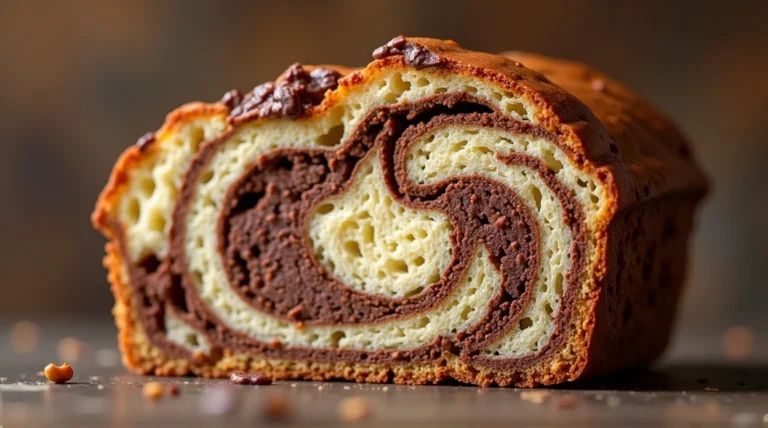
Marble Pound Cake
Swirl a small amount of cocoa-infused batter into the vanilla base for a visually striking and delicious result.
Sour Cream Pound Cake
Incorporating sour cream adds extra moisture and creates an exceptionally tender crumb.
How to Serve Pound Cake
Pound cake is delicious on its own, but it also pairs wonderfully with a variety of toppings and accompaniments.
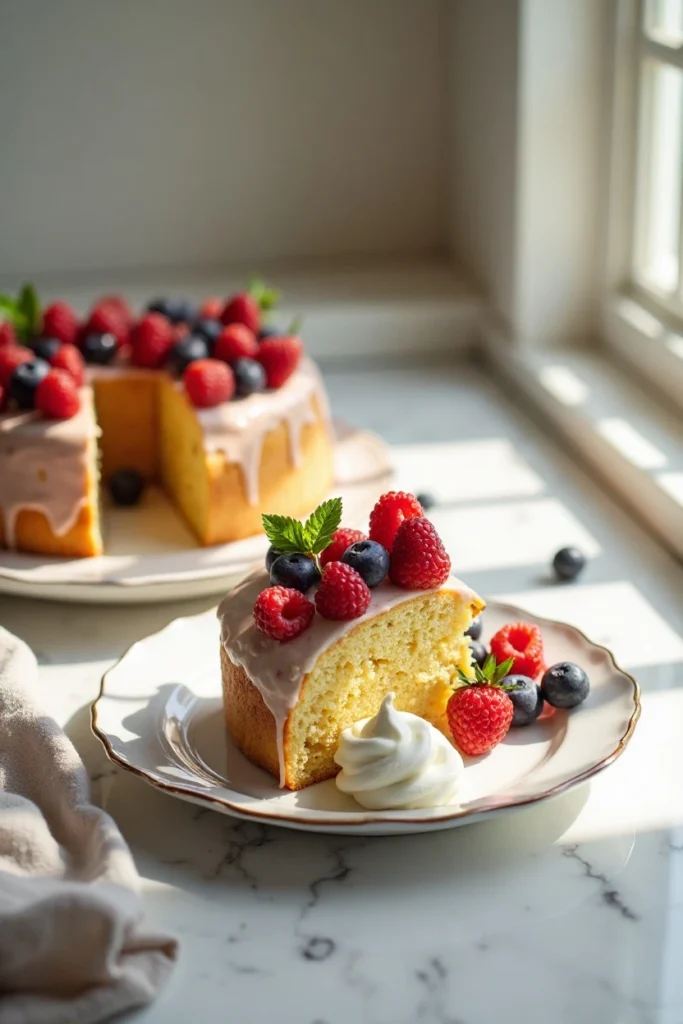
- Light dusting of powdered sugar
- Fresh berries or sliced fruit
- Whipped cream or ice cream
- Simple vanilla or citrus glaze
It works just as well for breakfast, dessert, or afternoon tea.
Storage and Freezing Tips
Proper storage helps maintain the cake’s moisture and flavor.
- Room temperature: Store tightly wrapped for up to 3 days
- Refrigerator: Keeps well for up to 1 week
- Freezer: Wrap in plastic wrap and foil, then freeze for up to 3 months
Thaw frozen pound cake at room temperature before serving.
Frequently Asked Questions
Why is my pound cake dry?
Dry pound cake is usually caused by overbaking or adding too much flour. Always check for doneness early and measure ingredients carefully.
Can I use salted butter?
Yes, but reduce the added salt in the recipe to avoid an overly salty flavor.
Is a crack on top normal?
Yes. A crack is a classic characteristic of pound cake and indicates proper baking.
Can I bake this in a bundt pan?
Absolutely. Bundt pans work very well for pound cake, though baking time may vary slightly.
Why Pound Cake Never Goes Out of Style
Pound cake remains popular because it delivers consistent, satisfying results with minimal effort. Its rich flavor, sturdy structure, and endless customization options make it a favorite for both beginner and experienced bakers.
Unlike trendy desserts, pound cake focuses on fundamentals—quality ingredients, proper technique, and patience. That’s what makes it truly timeless.
Conclusion
This classic pound cake recipe is proof that simple ingredients can create something extraordinary. Rich, buttery, and perfectly moist, it’s the kind of dessert that fits any occasion, from casual family gatherings to elegant celebrations.
Once you master this recipe, you’ll always have a dependable cake you can dress up or enjoy just as it is. Whether you keep it traditional or experiment with flavors, this pound cake is sure to become a staple in your baking rotation.
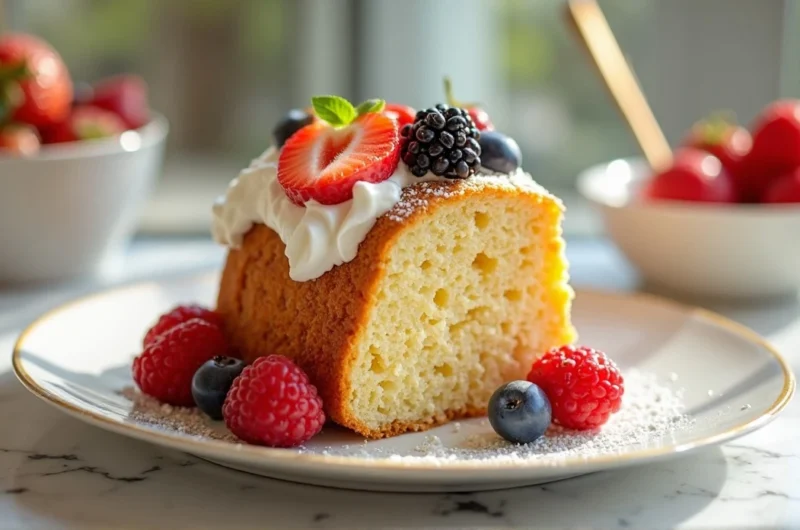
Classic Pound Cake Recipe
Course: DessertCuisine: AmericanDifficulty: Easy10
slices15
minutes1
hour5
minutes1
hour20
minutesIngredients
- 1 cup unsalted butter, softened
1 cup granulated sugar
4 large eggs, room temperature
1½ cups all-purpose flour
2 teaspoons vanilla extract
½ teaspoon salt
Directions
- Preheat oven to 325°F (165°C). Grease and flour a pan.
Cream butter and sugar until light and fluffy.
Add eggs one at a time, mixing well.
Mix in vanilla.
Gradually add flour and salt.
Bake for 60–70 minutes.
Cool before slicing.
Notes
- Always use room-temperature eggs and butter
Cream butter and sugar thoroughly
Do not overmix after adding flour
Bake at a lower temperature for even texture
Let the cake cool completely before slicing