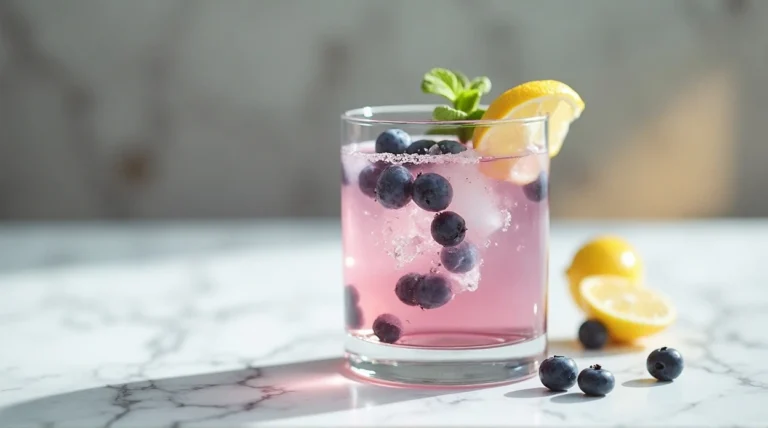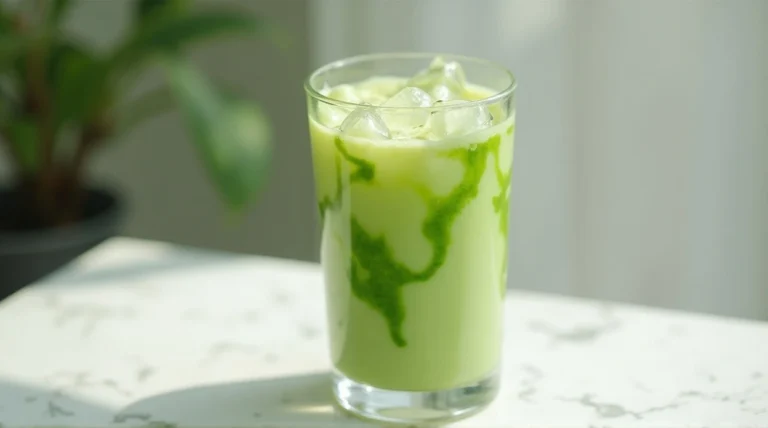
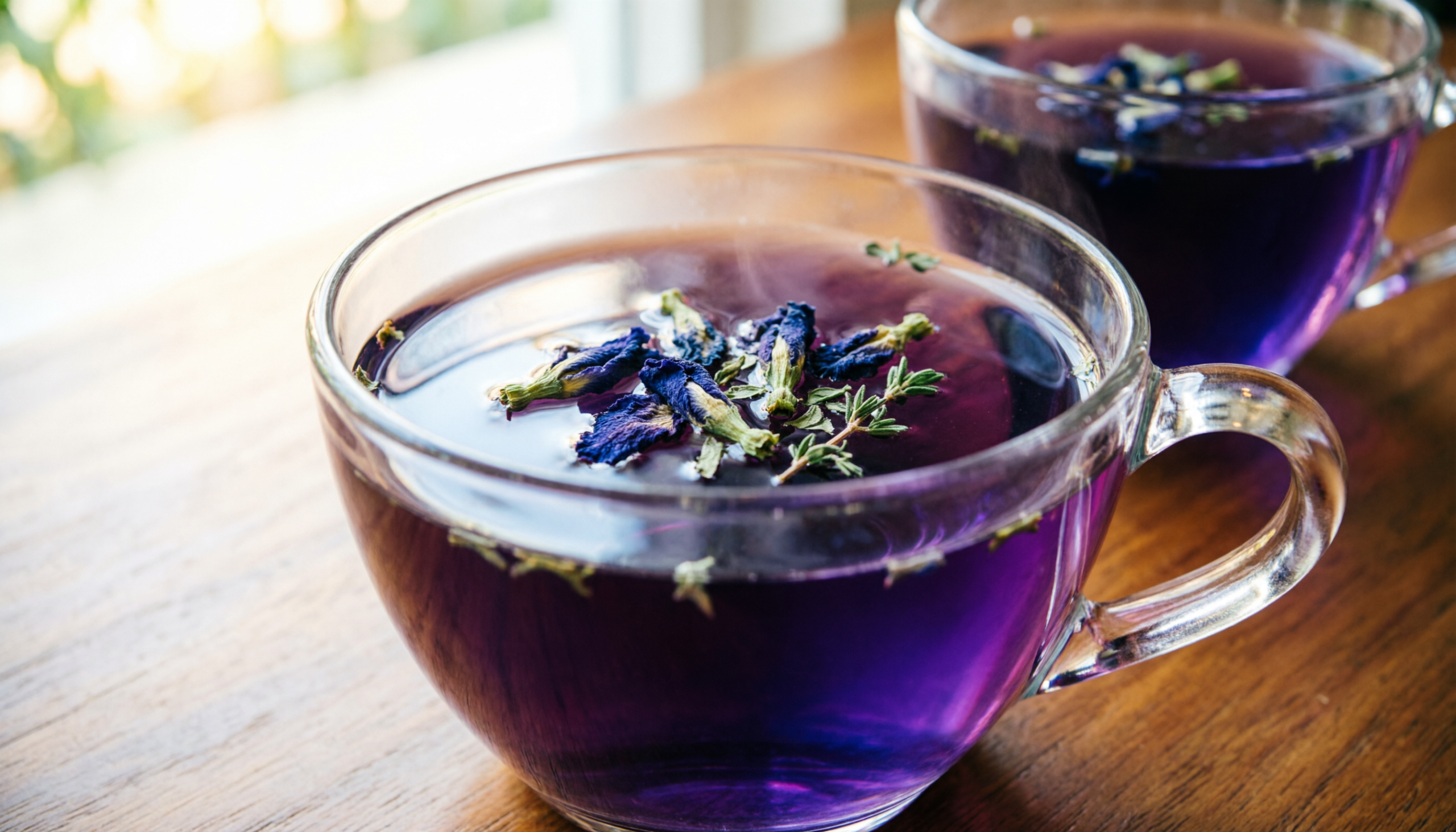
If your TikTok or Instagram feed has recently been flooded with videos of a glowing blue drink that turns violet the second lemon juice hits it, you’ve already met the “Brazilian Mounjaro Recipe.” Named after the prescription weight-loss medication Mounjaro (tirzepatide), this homemade tonic has exploded across social media with claims that it curbs appetite, boosts metabolism, and supports natural weight loss.
But before you start stockpiling apple cider vinegar and butterfly pea flower, it’s worth understanding what this drink actually is, what’s in it, and whether the science backs up the hype. This guide breaks down the recipe, the ingredients, and the honest truth about how it compares to the real medication it’s named after.
Table of Contents
What Is the Brazilian Mounjaro Recipe?
The Origin of the Viral Trend
The Brazilian Mounjaro drink started making the rounds on TikTok and Instagram as part of a broader wave of “natural Mounjaro” recipes — homemade tonics marketed as DIY alternatives to GLP-1 weight-loss drugs. Creators began sharing their own spins on the original recipe, and the “Brazilian” version quickly stood out for its vivid blue-to-purple color change, thanks to the addition of butterfly pea flower.
The name is catchy marketing more than anything else — there’s no clinical or pharmaceutical connection to Brazil or to the drug Mounjaro itself. It’s simply a nickname that stuck because it implies the same dramatic results as the medication, minus the prescription.
A few things separate the Brazilian version from the original Natural Mounjaro recipe:
- Butterfly pea flower is added for its striking color-changing effect, which isn’t present in the standard version.
- Some variations swap cinnamon or cayenne pepper for psyllium husk, a fiber source thought to support fullness.
- The Brazilian version leans more into presentation (the “Instagram-worthy” color shift), while the original focuses purely on the vinegar-lemon-ginger combination.

Core Ingredients and Their Role
Each ingredient in the Brazilian Mounjaro drink has its own reputation in the wellness world, even if the combined drink hasn’t been studied as a whole. Here’s a breakdown of what typically goes into a single serving and what it’s claimed to do:
| Ingredient | Amount | Claimed Benefit |
|---|---|---|
| Apple cider vinegar | 1 tbsp | Blood sugar support, appetite regulation |
| Lemon juice | ½–1 lemon | Digestion, vitamin C, triggers the color change |
| Fresh ginger, grated | ½ tsp | Thermogenic effect, anti-inflammatory |
| Butterfly pea flower (dried) | 1 tsp | Antioxidants, visual color effect |
| Honey or maple syrup | 1 tsp | Natural sweetener, mild antioxidant properties |
| Warm water | 1–2 cups | Base liquid, hydration |
Most of these claims come from research on the individual ingredients in isolation — not from studies on the drink as a combined recipe. Apple cider vinegar, for example, does have some evidence linking it to modest blood sugar regulation, but that’s a different thing from it replicating a prescription drug’s effects.
Mounjaro (Tirzepatide) vs. the Homemade Drink
To understand why this drink can’t do what its name implies, it helps to know what Mounjaro actually does in the body. Tirzepatide, the active ingredient in Mounjaro, is a dual GIP and GLP-1 receptor agonist. It works by:
- Slowing gastric emptying, which extends feelings of fullness
- Acting directly on brain receptors that regulate appetite and hunger signals
- Improving insulin sensitivity and glucose control at a hormonal level
- Remaining active in the body for days, unlike naturally occurring GLP-1, which breaks down within minutes
A homemade drink made from vinegar, lemon, and ginger simply doesn’t interact with the body’s hormonal systems the same way. As registered dietitians have pointed out when asked about the trend, the drink isn’t going to produce results comparable to a GLP-1 medication — at best, it may help with portion control by filling your stomach with a low-calorie liquid before a meal.
How to Make It — and Does It Actually Work?
Step-by-Step Recipe
Making the Brazilian Mounjaro drink at home takes about five minutes and requires no special equipment. Here’s the basic process:
- Bring 1–2 cups of water to a boil in a small saucepan.
- Add grated fresh ginger and, if using, dried butterfly pea flowers. Let steep for 5 minutes off the heat.
- Strain the liquid into a glass or mug, discarding the ginger and flower petals.
- Stir in the apple cider vinegar and sweetener of choice.
- Squeeze in the lemon juice right before drinking — this is the step that triggers the color change if butterfly pea flower was used.
- Serve warm, or pour over ice for a cold version.
Tip: Warm or room-temperature water dissolves the vinegar and sweetener more evenly and tends to be gentler on the stomach than a cold version, especially first thing in the morning.
Potential Benefits and Realistic Expectations
It’s worth separating what this drink can plausibly help with from what it’s being marketed to do.
What it may realistically support:
- Modest portion control, since a warm liquid before a meal can promote a feeling of fullness
- Digestion and reduced bloating, thanks to ginger and lemon
- Hydration, particularly if it replaces sugary beverages
- A small, temporary blood sugar stabilizing effect from the vinegar
What it cannot do:
- Replicate the hormonal and metabolic effects of GLP-1 medications
- Guarantee significant or sustained fat loss on its own
- Replace a balanced diet, physical activity, or medical treatment for weight management or diabetes
Safety, Side Effects & Who Should Avoid It
While the ingredients are generally recognized as safe in normal food amounts, there are a few precautions worth knowing:
- Undiluted apple cider vinegar can erode tooth enamel over time — always dilute it well and consider drinking through a straw.
- ACV may cause stomach discomfort in people with sensitive digestion, especially on an empty stomach.
- Anyone taking blood sugar or blood pressure medication should check with a doctor first, since vinegar can interact with both.
- This drink is not a substitute for medical treatment, and it shouldn’t be used to self-manage diabetes or obesity in place of prescribed care.
If you have an existing health condition or take medication regularly, it’s worth a quick conversation with a healthcare provider before adding any new tonic to your routine — even one that seems as simple as vinegar and lemon.
Final Thoughts
The Brazilian Mounjaro drink is a fun, low-calorie wellness beverage with a visually striking presentation — but the name is doing most of the marketing heavy lifting. It isn’t a natural substitute for Mounjaro or any other GLP-1 medication, and it won’t produce the same results. Think of it less as a weight-loss shortcut and more as a supportive habit: a way to add a little hydration, digestion support, and portion-control ritual to your day.
If you decide to try it, treat it the way its name suggests you shouldn’t as a complement to a healthy lifestyle, not a replacement for one.
FAQ
Does the Brazilian Mounjaro drink help you lose weight? It may support modest portion control and digestion, but there’s no clinical evidence it produces meaningful weight loss on its own, and it doesn’t replicate the effects of prescription GLP-1 medications.
Is it safe to drink every day? For most healthy people, occasional use is generally considered low-risk, but daily use of undiluted apple cider vinegar can affect tooth enamel and digestion over time. Check with a doctor if you’re on medication.
What’s the difference between Natural Mounjaro and Brazilian Mounjaro? The base ingredients (apple cider vinegar, lemon, and water) are the same. The Brazilian version typically adds butterfly pea flower for its color-changing effect and sometimes swaps in psyllium husk instead of cinnamon or cayenne pepper.