Few drinks capture the warmth and comfort of fall quite like a rich, aromatic apple cider. Whether you’re hosting a cozy gathering, decorating for the season, or simply craving something warm and soothing, homemade apple cider delivers a depth of flavor you’ll never find in the store-bought version. This recipe blends fresh apples, warming spices, and citrus to create a beautifully balanced cider that fills your home with the fragrance of autumn. In this expanded guide, you’ll learn exactly how to make perfect apple cider—along with tips, variations, and everything you need to enjoy this nostalgic drink all season long.
Table of Contents
Why This Apple Cider Recipe Works So Well
Homemade apple cider has a depth of flavor that commercial versions simply cannot match. Everything from the texture of the apples to the spices you choose affects the final result, and this recipe walks you through exactly how to achieve a well-rounded, naturally sweet, and perfectly spiced cider. Below, we break down what makes this recipe stand out and why it has become a favorite during fall and winter.
It Uses the Perfect Blend of Apples for Maximum Flavor
One of the key components of outstanding apple cider is choosing the right apples. While you can make cider with just one variety, blending different types gives you a more complex, balanced flavor. Sweet apples like Honeycrisp, Gala, or Fuji bring natural sweetness, while tart apples such as Granny Smith or Braeburn add brightness and acidity. When these apples simmer down together, you get a cider that tastes full-bodied, layered, and naturally sweet without relying heavily on added sugar.
Using whole apples—including the peels—helps bring out the true essence of the fruit. The skins contribute color and depth, while the cores and pulp release natural juices and nutrients. Everything works together to create a cider that tastes fresh, warm, and well-rounded.
It Has the Right Amount of Spice for a Cozy, Balanced Aroma
Another factor that makes this recipe work so beautifully is the blend of spices. Rather than using ground spices, which can make cider gritty, this recipe relies on whole spices to infuse flavor gently and cleanly. Cinnamon sticks add warmth, cloves bring depth, and a hint of nutmeg or allspice enhances the cozy fall aroma without overpowering the apples.
The addition of sliced orange gives the cider brightness and a naturally sweet citrus aroma that elevates the entire drink. When everything simmers together for hours, the spices unfold slowly, creating multiple layers of flavor that taste nostalgic and comforting.
It’s Easy Enough for Anyone to Make
Despite its rich flavor, this apple cider recipe is incredibly simple. You don’t need fancy equipment—just a large pot, a strainer, and basic ingredients. The process is mostly hands-off: chop the apples, add everything to the pot, let it simmer, mash gently, then strain.
The slow simmering allows the apples to break down fully, releasing natural juices that create a deep, almost velvety body to the cider. Even if you’re not experienced in the kitchen, you can make this drink effortlessly and enjoy a result that tastes luxurious and homemade. It’s the perfect recipe for busy families, holiday gatherings, or anyone who wants a cozy treat with minimal work.

Step-by-Step Guide to Making Homemade Apple Cider
Now that you know what makes this recipe special, let’s walk through how to make it. Apple cider may seem like a long process, but the slow simmering is what creates the rich color, fragrant aroma, and deep flavor that makes this drink so iconic. Below, you’ll find everything you need, from ingredients to preparation tips, plus variations and ideas for serving.
Ingredients You’ll Need
For this apple cider recipe, you only need a handful of wholesome ingredients. The simplicity of the ingredient list is exactly what makes the final result taste so clean and fresh.
Here’s everything you’ll need:
- 10–12 apples (mix of sweet + tart)
- 1 large orange, sliced
- 3–4 cinnamon sticks
- 1 tablespoon whole cloves
- ½ teaspoon nutmeg or allspice
- ¼–½ cup brown sugar or maple syrup (adjust to taste)
- 10 cups water
Why these ingredients work:
The apples form the base, the citrus brightens the flavor, and the spices create the warm aroma that apple cider is known for. The sweetener ties everything together, allowing you to adjust the richness and sweetness exactly how you like it.
How to Make Apple Cider (Step-by-Step)
- Prepare the apples.
You don’t need to peel or core the apples. Simply wash them and cut them into quarters. The peels add color and flavor, while the cores help create a naturally rich base. - Add everything to a large pot.
Add the apples, orange slices, cinnamon sticks, cloves, nutmeg or allspice, and water. If you prefer a sweeter cider, add half of the sugar here; otherwise, you can sweeten the cider at the end. - Simmer for 2 hours.
Cover the pot and let it simmer on low heat. The apples should become very soft and fragrant. The longer it simmers, the richer the flavor becomes. - Mash the apples gently.
After 2 hours, use a potato masher or wooden spoon to break down the apples. This helps release more flavor and juice. - Simmer for another 30 minutes.
This final simmer ensures that all the flavors combine fully. - Strain the mixture.
Pour the contents through a fine mesh strainer or cheesecloth. Press gently to extract as much liquid as possible without pushing fruit pulp through. - Sweeten and adjust.
Taste the cider and add more sugar or maple syrup if needed. You can also add a splash of lemon for extra brightness. - Serve warm.
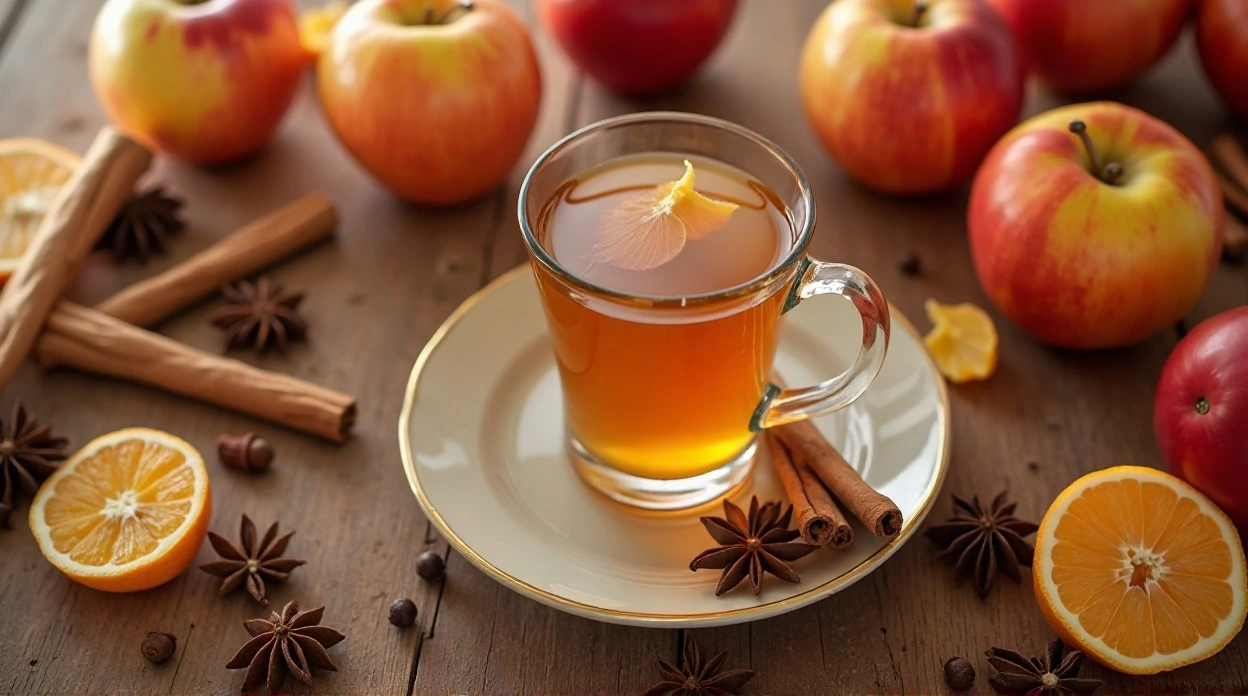
Top with cinnamon sticks, fresh orange slices, or star anise for a cozy fall presentation.
Tips, Variations & Serving Ideas
To make your homemade apple cider even more special, here are helpful tips and fun variations that allow you to customize it exactly how you like:
Tips for the Best Results:
- Use a mix of apples for a more complex flavor.
- Stick to whole spices for a smooth, clean finish.
- Simmer gently—boiling can make the cider cloudy.
- Sweeten at the end so you don’t over-sweeten.
Delicious Variations:
- Caramel Apple Cider: Add 2 tablespoons caramel sauce before serving.
- Spiced Ginger Cider: Add a few slices of fresh ginger to the pot.
- Cranberry Apple Cider: Add 1 cup fresh cranberries for a tart twist.
- Mulled Apple Cider: Add star anise and cardamom for deeper spice.
Serving Ideas:
- Serve warm in mugs with a cinnamon stick.
- Keep warm in a slow cooker during parties.
- Top with whipped cream and caramel drizzle.
- Chill and serve over ice for a refreshing version.
Conclusion
There’s nothing quite like homemade apple cider. From the first slice of fresh apple to the last warm, fragrant sip, this recipe delivers pure comfort and seasonal joy. With its wholesome ingredients, balanced spices, and customizable sweetness, this cider is perfect for gatherings, family nights, or cozy moments at home. It fills your kitchen with the aroma of fall and creates a drink that tastes rich, satisfying, and deeply nostalgic. Whether you’re making it for a holiday celebration or simply enjoying a quiet evening, this apple cider recipe is one you’ll return to again and again.
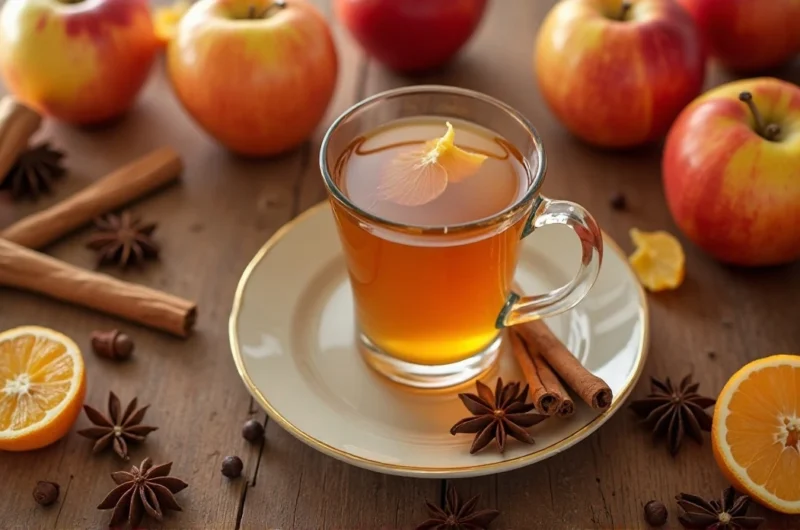
Apple Cider Recipe
Course: DrinksCuisine: AmericanDifficulty: Easy8
10
minutes2
hours30
minutesIngredients
- 10–12 medium apples (mix of sweet + tart)
1 orange, sliced
3–4 cinnamon sticks
1 tbsp whole cloves
½ tsp nutmeg or allspice
¼–½ cup brown sugar or maple syrup
10 cups water
Instructions:
- Quarter apples; no need to peel or core.
Add apples, orange slices, spices, water, and half the sugar to a pot.
Simmer covered for 2 hours.
Mash apples gently and simmer 30 minutes more.
Strain through cheesecloth or fine mesh.
Adjust sweetness.
Serve warm with cinnamon sticks or orange slices.
Notes
- Use whole spices for best clarity and flavor.
Sweeten at the end to avoid making it too sweet.
Add ginger or cranberries for fun variations.